No Exam Insurance: Unveiling Impactful Medical Conditions
No exam insurance can be a game-changer for you, especially if you're managing medical conditions like heart disease, diabetes, or a cancer history. These policies often skip the full medical checkup, making coverage more accessible and the application process smoother. However, your specific health condition can still influence your premiums and eligibility. Insurers evaluate risk differently, some catering particularly to those with pre-existing conditions, while others may charge higher rates based on your medical history. It's vital you understand how your health impacts your options. By exploring further, you'll discover more tailored advice to navigate these waters effectively.
Overview of No Exam Insurance

No exam insurance allows you to secure a policy without undergoing a medical examination, streamlining the application process significantly. You're not alone if the thought of a doctor's visit or a blood test makes you uneasy. Many feel the same way, and this option caters directly to your needs, letting you bypass what can be an intrusive part of securing insurance.
You're part of a community that values simplicity and convenience. With no exam insurance, joining this group is straightforward. You won't have to schedule appointments or take time off work, which is a relief, right? Everything is designed to fit seamlessly into your busy life, ensuring that you don't have to pause your day-to-day duties to become insured.
This type of policy is particularly appealing if you're looking for quick coverage. Decisions are often made faster, as the insurer doesn't have to wait on medical reports. You could be approved within hours or days, not weeks. It's comforting to know that you can gain protection swiftly, without additional health-related hurdles.
Embracing no exam insurance means joining others who prioritize efficiency and ease, creating a shared sense of smart, hassle-free decision-making in safeguarding your future.
Heart Disease and Policy Eligibility
If you have heart disease, your eligibility for no exam insurance might be affected. You're not alone in this; many others face similar challenges in securing coverage that acknowledges and accommodates their unique health situations. No exam insurance policies, which don't require a medical examination for approval, can be a beacon of hope, yet the specifics of your heart condition could influence the terms offered to you.
It's crucial to understand that insurers often assess risk differently. While some companies may shy away from offering policies to individuals with significant heart issues, others might provide coverage with modified terms. These adjustments might include higher premiums or exclusions related to heart disease. However, the key here isn't to feel sidelined.
There are insurers out there who specialize in high-risk profiles, emphasizing inclusion over exclusion. Your journey to finding the right no exam insurance policy should start with thorough research. Look for companies known for insuring individuals with pre-existing conditions, and don't hesitate to compare different policies.
Diabetes Impact on Coverage Terms
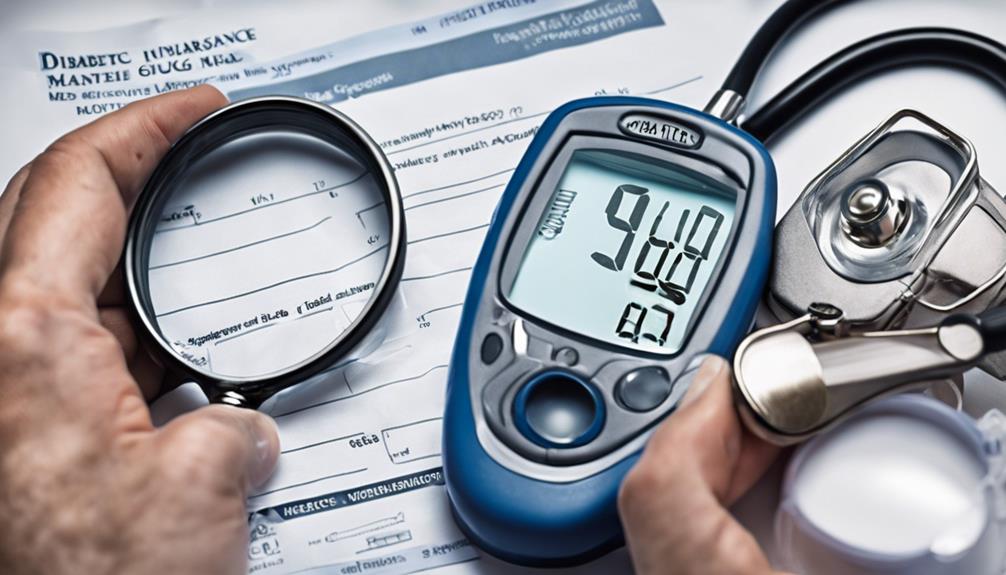
Similarly to heart disease, diabetes also significantly affects your eligibility and the terms of no exam insurance policies. If you're managing diabetes, understanding how it influences your insurance options is crucial. You're not alone in this; many others are navigating these same challenges.
Insurers often view diabetes as a risk factor because it can lead to other health issues that might increase claims. This perspective might affect your policy's premium or the extent of coverage you receive. But here's the thing—you've got options. Companies specializing in no exam insurance typically tailor their policies to meet diverse needs, including those of individuals with diabetes.
It's essential to disclose your diabetes honestly when applying. This transparency allows insurers to offer the most accurate coverage that aligns with your health status. Don't worry, though; this doesn't mean exclusion. In fact, many insurers now recognize the importance of supporting chronic conditions and offer policies that reflect this understanding.
Joining a community or group specifically designed for those with diabetes can provide additional support and resources. Here, you can share experiences and tips on securing favorable insurance terms. Remember, you're part of a community that thrives on mutual support and understanding in navigating these waters.
Cancer Histories and Insurance Rates
Having a history of cancer can significantly increase your insurance premiums. It's a tough reality to face, especially when you're trying to move forward and maintain financial stability. You're not alone in this. Many others share your situation, finding themselves navigating the complex world of insurance with a similar history.
When you apply for no exam insurance, insurers assess risk based on your medical history among other factors. A past cancer diagnosis often flags a higher risk in their algorithms, leading to higher premiums.
However, the impact varies greatly depending on the type, stage, and recency of your cancer. For instance, someone who'd early-stage skin cancer several years ago mightn't see as steep an increase as someone who recently battled a more aggressive form, like pancreatic cancer.
Mental Health Considerations

Mental health issues also play a crucial role in determining your no exam insurance rates. When you're considering insurance, it's easy to feel isolated, especially if you're managing conditions like depression or anxiety. You're not alone. Many others are navigating this same journey, striving to secure the right coverage without a traditional medical exam.
Insurance providers often assess mental health as part of their risk evaluation, but it doesn't mean you're without options. It's about finding a company that understands and accommodates the nuances of mental health. They're out there, and they're ready to support you. Remember, your mental health journey is a part of who you are, but it doesn't define your insurability.
If you've been receiving consistent treatment or therapy, make sure to highlight this in your application. Stable management of your condition is a positive signal to insurers. It shows that you're taking steps to ensure your well-being, which can be just as important as maintaining physical health.
You deserve to feel included and respected in every process, including applying for no exam insurance. Companies are increasingly recognizing the importance of mental health and are adjusting their policies to be more inclusive. Connect with them, share your story, and find a place where you belong.
Respiratory Conditions and Premiums
Respiratory conditions can significantly affect your no exam insurance premiums. When insurers assess risk without a medical exam, they rely heavily on your disclosed health history. Conditions like asthma, chronic bronchitis, or COPD are red flags, signaling potential high costs due to frequent flare-ups or hospital visits.
You're not alone; many face these challenges, and understanding the impact can help you navigate your options.
Premiums are generally higher for those with respiratory issues. It's because insurers view these conditions as ongoing liabilities. However, don't feel isolated in this. There's a community out there, people just like you, managing similar health concerns and finding coverage that respects their needs and budgets.
Moreover, insurers sometimes offer plans tailored specifically for chronic conditions, recognizing the importance of accessible, affordable coverage. Engaging with support groups and online forums can provide tips on the best plans and practices for managing both your health and insurance costs effectively.
Neurological Disorders Restrictions

Neurological disorders often lead to stricter limitations and higher premiums in no exam insurance policies. You're not alone if you've faced this. Many in your community navigate these challenges. Understanding these adjustments helps in making informed decisions about your coverage.
When you apply for no exam insurance, companies assess the risk based on the neurological condition's nature and severity. Conditions like epilepsy or multiple sclerosis might raise concerns due to potential medical costs and the unpredictability of symptoms. Insurers aim to balance the risk, which might feel personal but is a common industry practice.
It's crucial you know that each insurer has different guidelines. Shop around. Some companies specialize in high-risk coverage and might offer better rates or more favorable conditions. Joining support groups and online forums can provide insights and recommendations from others who've walked this path.
Lifestyle Factors and Risk Assessment
Your lifestyle choices play a significant role in the risk assessment process for no exam insurance policies. When you apply, insurers look closely at how your daily habits might affect your health. They're assessing the community they're building, one where each member's choices impact everyone.
If you smoke, for instance, you're seen as a higher risk compared to non-smokers. This isn't just about you, it's about how your health can affect the group's overall risk and costs.
Regular exercise and a balanced diet, on the other hand, can work in your favor. Staying active and eating well signals that you're taking steps to minimize health risks, which is good for you and the insurer's community.
Similarly, excessive alcohol consumption can raise red flags. It's linked to numerous health problems, which might increase claims, affecting everyone's premiums. By moderating your intake, you not only boost your health but also align with a community focused on sustainability and well-being.
Ultimately, each choice you make doesn't just influence your insurance rates—it reflects your commitment to a shared community goal of health and longevity. Think of it as your contribution to a collective well-being, where everyone's choices matter deeply.
Conclusion
You've explored how no exam insurance offers a quicker path to coverage, even with serious health issues like heart disease or diabetes. Whether it's cancer, mental health, or neurological disorders, your premiums and terms may vary.
Remember, lifestyle factors also play a crucial role in determining your risk and influencing your rates. Consider all these elements carefully as you weigh your options, ensuring you make an informed decision that best fits your needs and secures your peace of mind.
Related articles: Understanding Maximum Coverage Limits: No Exam Insurance · What Are the Coverage Limits for No-Exam Insurance? · 5 Best Maximum Coverage Limits: Exam-Free Insurance
