Risks of Skipping Health Checks in Insurance Policies
Skipping health checks in your insurance policy can be quite risky. It could lead to higher premium costs as insurers tend to offer lower rates to those who actively manage their health. Without regular screenings, you're also missing out on early diagnosis of potential health issues, which might limit your coverage options and lead to personalized plan shortages. This could make it tough to find a plan that fits your needs perfectly. Besides, if you dodge these health checks, insurers might view you as a higher risk, possibly leading to claim denials. If you understand these implications, you'll fortify your overall health and insurance strategies.
Higher Premium Costs
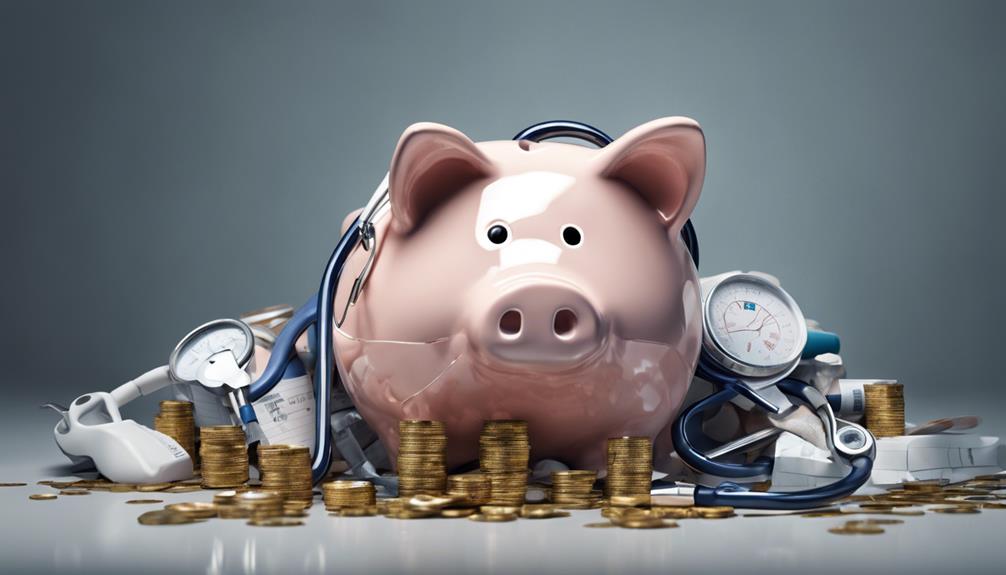
Skipping health checks can drive up your premium costs significantly. When you're part of a community or a plan where everyone is committed to maintaining their health, insurers often reward this collective responsibility with lower premiums.
By opting out of routine screenings, you not only risk missing early signs of potential health issues but also end up paying more. It's like letting down the team; everyone else is playing their part, and the balance is thrown off when you step back.
Moreover, insurers see regular health checks as a sign of proactive health management. By staying on top of your health, you demonstrate to insurance companies that you're less of a risk, which can translate into savings for you.
Think of it as being a valuable player in a team sport. Just as a team relies on each member to perform their best, your health community relies on you to keep yourself in check.
Limited Coverage Options
When you opt out of health checks, insurers often limit your coverage options. This can leave you feeling a bit on the outside, looking in, as you miss out on plans that might better suit your needs or offer more comprehensive benefits. It's like being at a party but only having access to the snacks, not the full buffet.
By skipping these checks, you're essentially telling insurers that they're taking a higher risk by insuring you. In response, they hedge their bets by offering plans that are less risky for them, which usually means plans with fewer choices for you. You might find yourself unable to access services that are available to others who've undergone health assessments. This limited selection can make it harder to find a plan that feels like a perfect fit for your health needs.
It's important to remember that belonging in the realm of health insurance doesn't just mean being covered. It means having access to a plan that embraces all of your health needs. Without full disclosure through health checks, getting that perfect fit can be a challenge, leaving you with a sense that you're not quite getting the full benefits you see others enjoying.
Potential Claim Denial
You might face claim denials if you bypass health checks in your insurance policy. This isn't just about ticking a box; it's about ensuring you're part of a community that values transparency and trust.
When you skip these checks, insurers don't have a full view of your health status, which can lead to disputes when you least expect them. Imagine needing support only to find out you're not covered—it can feel like being left out in the cold.
Staying informed and up to date with your health exams helps build a mutual understanding between you and your insurer. It's much like maintaining a good relationship; it works best when both parties are open and honest. You wouldn't want to miss out on being part of a group that looks out for each other, right?
Completing these health checks can prevent the heartache of claim rejection, keeping you secure within the safety net of your insurance coverage.
Let's make sure you're fully supported. After all, insurance is about being part of a community that's got your back. Don't isolate yourself by neglecting this crucial step. Stay connected, stay covered.
Lack of Personalized Plans
Failing to undergo health checks also means missing out on insurance plans tailored to your specific needs. When you skip these assessments, insurers don't have the detailed information they need to customize your coverage. This means you're stuck with a one-size-fits-all policy that mightn't cover everything you need. It's like being in a group where everyone gets the same t-shirt—it rarely fits everyone perfectly.
When your insurance plan mirrors your health status, you feel better supported. You're not just another number; you're a member of a community that looks out for each other, ensuring everyone's unique health needs are considered.
Without personalized plans, you might feel left out, as if your specific health scenarios are overlooked. This can make you feel isolated in your journey towards health and wellness.
Increased Long-Term Expenses

Skipping health checks in your insurance policy often leads to higher long-term costs. When you're not up-to-date with your health status, you might miss out on opportunities to adjust your coverage based on current needs, which can be more economical in the long run.
Imagine being part of a community where everyone actively manages their health risks through regular check-ups. This proactive approach not only fosters a sense of belonging but also helps keep insurance premiums more manageable for everyone.
Think about it: when illnesses are caught early, treatment can be less invasive and less expensive. Without regular screenings, you're at risk of facing severe health crises that require costly interventions. This scenario isn't just a burden for you, but it can also impact your loved ones and your community who rely on the stability and support of each other.
Moreover, by skipping these checks, you're potentially missing out on preventive care benefits that are designed to save money and maintain health in the long run. Engaging with these services connects you with a network of healthcare providers and fellow policyholders who value staying ahead of health issues, reinforcing that sense of collective wellbeing and financial security.
Unrevealed Health Issues
By neglecting regular health checks, undetected conditions may worsen, becoming more complex and costly to treat later. You're not just risking your health; you're also potentially missing out on being part of a community that values proactive healthcare. Regular screenings can reveal hidden issues that, if ignored, might prevent you from fully participating in life with your loved ones.
Imagine you're unknowingly dealing with a manageable condition like high blood pressure or diabetes. Without insight from routine checks, you mightn't realize anything is wrong until it's too late.
This isn't just about you; it's about ensuring you're there for family gatherings, friends' milestones, and community events. Early detection means easier management, and staying healthy helps keep you an active member of your circle.
Don't sideline yourself from important moments because you skipped a health check that could keep you in the game. Consider how valuable your well-being is to those who care about you. They rely on your presence just as much as you cherish theirs.
Conclusion
You're taking a big risk by skipping health checks in your insurance policy. Not only might you face higher premiums, but your coverage options could be limited too.
If you don't disclose all health issues upfront, you might even face claim denials. Without tailored plans, you'll likely pay more in the long run, and undiagnosed health problems could surprise you later.
Don't let short-term convenience cost you dearly. Stay informed and proactive about your health insurance needs.
Related articles: Risks of Skipping Health Checks in Insurance Policies · Skipping Health Checks: Insurance Benefits and Drawbacks · Risks of No Exam Insurance Policies Revealed
